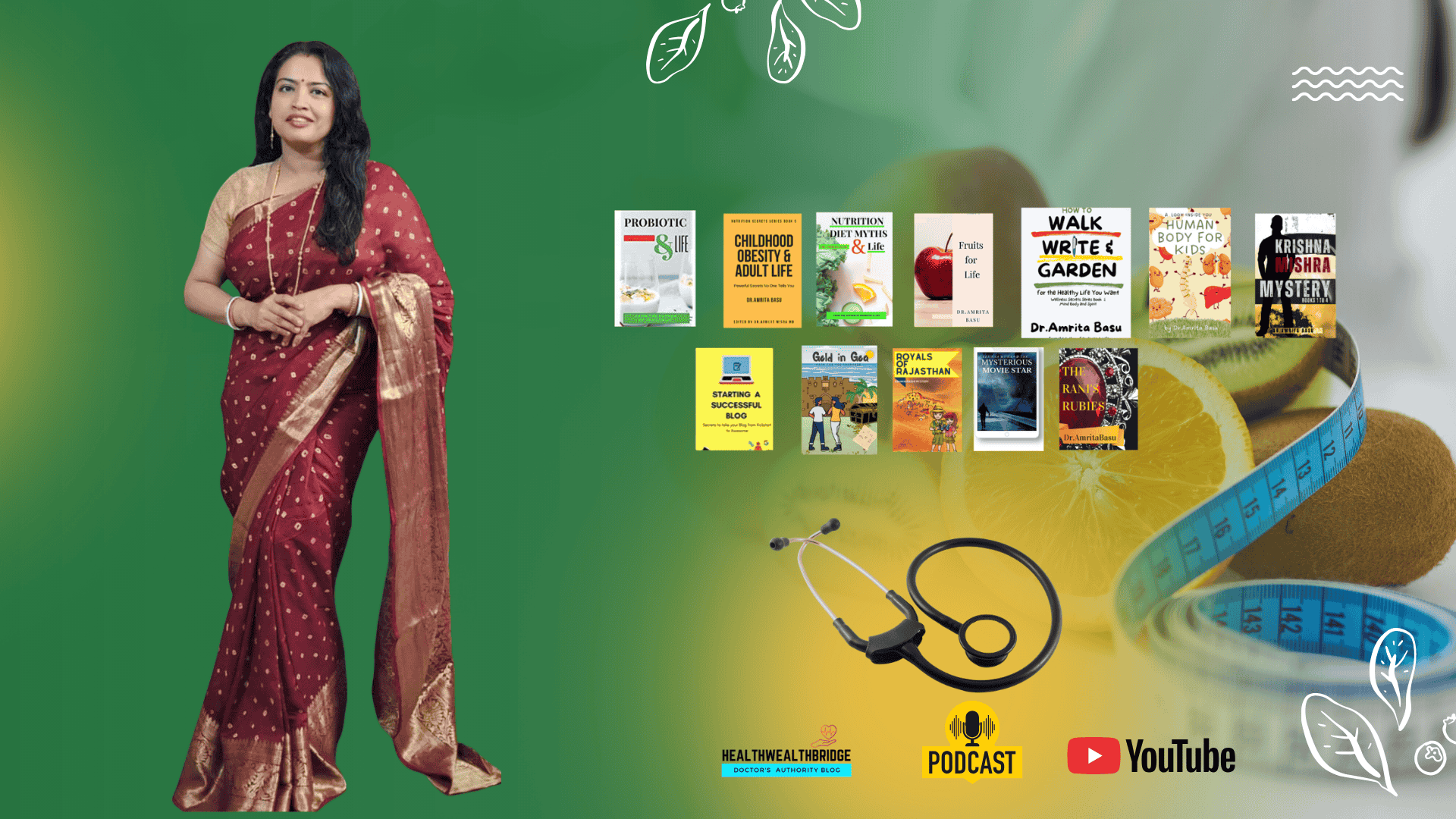
Hi I am Dr. Amrita Basu an ENT surgeon , ex-Medical teacher and now self employed. I am also blogging since 2014,podcasting since 2018 and have published both fiction and nonfiction books.If you are new to my website ,you can read all about me here.
The topic for today,is how to know a fake doctor?
If you are in West Bengal ,you will know its a burning topic.
But if not,here’s the background.
Multiple people pretending to be doctors from Bihar Medical colleges, made fake registration certificates ,submitted it under the WBMC West Bengal Medical Council who for their own reasons(you can guess though), gave registration to practice ,to these shady quacks.This meant they looked like they were real doctors registered in West Bengal .
They were registered under Swasthya Sathi portal and one of them was working with 26 hospitals!
One of the fake doctors operated on a four year old child,who died. That fellow was also a teacher in a Private Medical College.Shocking right?The parents filed a complaint and investigation threw this horror to light.
Now this has become a cancerous ulcer in the healthcare fabric of the entire state, along with allegations that there are 500 (maybe more)such fake doctors in the system. In West Bengal for the last 14 years there was a steady production of fake teachers,fake students, fake doctors, fake patients,fake voter card, fake roads, fake burning ghats etc etc. If you can name it, they faked it! The breakdown of education system, healthcare and law and order was real.
But that is a topic I will discuss another day.The topic for today is this.
Who is a fake doctor or quack?
Someone who doesn’t have the qualification /degree for which he claims expertise. Including those in Alternative Medicine claiming to have a degree in modern medicine through vague terms or vice versa. Most of these people display a kichdi of words on the prescription. Often claim to have multiple degrees ,diplomas in several branches of Medicine, from unknown/foreign/sketchy university. Unfortunately they may also be in very high up places with suspicious background. One word-trust your gut.
But criminal individuals pretending to be doctors are one part of the problem.The nexus is heavily monetized through healthcare mafia,private and Government Medical colleges and those high up in Political food /hafta pyramid of the last ruling party.Who helps them get those fake certificates?
Who trains them,sets them up ?
Who incorporated them in the WBMC?
But since that is currently beyond the topic of discussion,I will tell you how to check your doctors registration on WBMC .
https://wbmc.wb.gov.in
WBMC home page->Doctor search
https://wbmc.wb.gov.in/index.php/doctor_search/search
Go to West Bengal Medical Council
Use Doctors search using just name, fill in captcha.
Or use registration number.
Similarly you can check the registration number in different state medical council.
Under Ayushman Bharat Digital Mission,its possible to have a Healthcare professional id.I have one.
If you are a doctor,you can register here
https://nhpr.abdm.gov.in/nhpr/v4/home
My Healthcare Provider Registry has been verified.I am entitled to benefits like Digital Doctor certificate,which I received .For any support pertaining to your NationalHealthcare Provider Registry application, please contact them on 1800114477 or write to them atabdm@nha.gov.in
I felt so strongly about this topic ,I had made a video about this almost 10 years back!
I have a new podcast published
About my books
Writing has been another part of my lifelong love affair with learning and storytelling. My books range from health and wellness to blogging, creativity and fiction.
You can explore my books, including How to WALK, Write & Garden for the Healthy Life You Want, Starting a Successful Blog, Blogchatter & The Indian Blogger Revolution, and my Krishna Mishra Mystery series, on my author page.
Find my books on Amazon:
Dr. Amrita Basu – Amazon Author Page
Books for Kids
Science for kids
Royals of Rajasthan-Ashwin Rashi Mystery
The Young Detective Mystery series by my daughter
You can find all about my podcasting journey here .
I am writing this blog post as part of Blogchatter Half Marathon!